
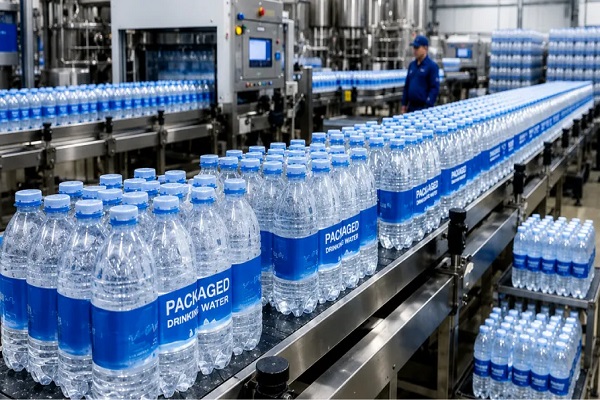
Starting a bottled water manufacturing business requires careful planning, suitable machinery, and an organised production facility. From water treatment to final bottle packaging, every stage contributes to product quality and operational efficiency. A Turnkey Packaged Drinking Water Project provides an integrated approach that simplifies the entire plant establishment process. It helps entrepreneurs arrange essential equipment, manage production activities, and develop a coordinated manufacturing setup. FREEION Engineering offers industrial machinery solutions for businesses exploring modern water packaging facilities. With appropriate planning, manufacturers can establish efficient operations and prepare their businesses for long-term growth.
Understanding a Turnkey Water Plant Setup
Establishing a packaged drinking water facility involves several technical requirements. Businesses must consider water treatment capacity, production targets, packaging formats, available space, and regulatory obligations.
A complete project approach brings different manufacturing stages together under one coordinated arrangement. Instead of sourcing every component separately, entrepreneurs can plan an integrated facility according to their business objectives.
A Turnkey Packaged Drinking Water Project generally includes equipment selection, plant layout planning, water treatment arrangements, bottling machinery, and packaging solutions. The exact scope depends on the selected configuration and supplier agreement.
This approach makes project planning more organised while helping businesses understand their investment requirements before installation.
Essential Components of a Drinking Water Plant
Every successful water bottling facility requires equipment that performs specific production functions. Proper coordination between these components supports consistent manufacturing.
1. Raw Water Treatment System
The treatment process prepares incoming water for further purification. Depending on the source and water quality, the facility may require filtration, activated carbon treatment, softening, and other suitable purification stages.
2. Reverse Osmosis System
Reverse osmosis technology helps remove dissolved impurities through a specialised membrane process. Its capacity should match the plant’s production requirements and the characteristics of the incoming water.
3. Water Storage Tanks
Suitable storage tanks help maintain an organised supply between purification and bottling stages. Manufacturers should select appropriate materials and capacities for hygienic storage.
4. Bottle Filling Equipment
Automated filling systems distribute treated water into compatible bottles. Accurate filling helps maintain consistent product quantities while reducing unnecessary wastage.
5. Capping and Packaging Machinery
After filling, bottles require secure closures to prevent leakage. Additional packaging equipment prepares finished products for storage, transportation, and distribution.
Major Advantages of a Turnkey Packaged Drinking Water Project
An integrated manufacturing setup offers practical benefits for new entrepreneurs and established businesses.
First, coordinated equipment selection helps simplify project management. Businesses can plan different production stages together instead of treating each process separately.
Second, suitable automation improves production consistency. Machines perform repetitive operations with controlled settings, reducing dependence on manual handling.
Third, organised equipment placement supports smoother material movement. Consequently, operators can manage production activities more effectively.
A Turnkey Packaged Drinking Water Project also helps businesses plan their investment around specific output requirements. Manufacturers can select equipment configurations that suit their available space, expected demand, and expansion objectives.
Moreover, an integrated approach can make maintenance planning easier because equipment requirements are considered during the initial project development stage.
Production Planning and Capacity Selection
Choosing the correct production capacity is an important investment decision. Entrepreneurs should estimate expected market demand before selecting machinery.
For example, a small business supplying local retailers may require a different production arrangement from a manufacturer distributing products across multiple cities.
A Turnkey Packaged Drinking Water Project should therefore reflect actual business requirements rather than unnecessary equipment specifications.
Manufacturers should evaluate bottle sizes, operating hours, expected daily output, workforce availability, and future expansion plans. These details help determine suitable machine capacities.
Additionally, businesses should consider electricity consumption, water availability, floor space, and routine operating expenses. Careful evaluation creates a more realistic project budget.
Quality Standards and Operational Hygiene
Maintaining product quality is essential for every packaged drinking water manufacturer. A properly designed facility should support hygienic processing conditions throughout production.
Equipment surfaces that come into contact with water should use suitable food-grade materials. Regular sanitation procedures also help maintain cleanliness across storage tanks, pipelines, filling systems, and other relevant components.
In India, manufacturers must evaluate applicable FSSAI requirements, BIS standards where applicable, and other relevant regulatory obligations. They should also arrange the necessary testing, documentation, and approvals before starting commercial operations.
A well-planned Turnkey Packaged Drinking Water Project considers these operational responsibilities during the facility development process.
Choosing FREEION Engineering for Plant Machinery Solutions
Selecting an appropriate machinery partner can influence the overall success of a manufacturing project. Businesses need equipment guidance, practical technical information, and suitable machinery configurations.
FREEION Engineering focuses on industrial engineering and packaging machinery solutions. Manufacturers exploring a new bottling facility can evaluate equipment options according to their production requirements.
Before finalising an order, entrepreneurs should discuss installation scope, machine specifications, production capacity, maintenance arrangements, and technical support.
A properly evaluated Turnkey Packaged Drinking Water Project can help businesses coordinate essential machinery and establish a more organised production environment.
The selection process should also include a review of equipment compatibility. Every machine must support the required production flow to avoid unnecessary interruptions.
Hot Melt Glue Roll Fed Labeling Machine
A Hot Melt Glue Roll Fed Labeling Machine is an important packaging solution for manufacturers looking to improve container labelling operations. It uses hot melt adhesive technology to apply labels consistently across compatible bottles and containers. The roll-fed mechanism supports continuous labelling and helps maintain an organised packaging workflow. Depending on its configuration, the machine can accommodate different container dimensions and production requirements. Proper adhesive control, accurate positioning, and regular maintenance contribute to dependable performance. For packaged drinking water businesses, effective labelling equipment improves product presentation, supports brand recognition, and prepares finished bottles for organised distribution through retail and commercial channels.
Important Considerations Before Starting Production
Before commissioning a manufacturing facility, entrepreneurs should review the complete project requirements. A detailed assessment helps avoid unnecessary expenses and operational difficulties.
Important considerations include:
- Water source quality and availability.
- Required purification capacity.
- Bottle size and packaging preferences.
- Machinery installation and operating space.
- Electricity and utility requirements.
- Employee training and maintenance planning.
- Applicable licences, testing, and compliance requirements.
Furthermore, manufacturers should prepare a realistic financial plan covering machinery, infrastructure, raw materials, labour, utilities, and distribution.
A Turnkey Packaged Drinking Water Project becomes more effective when businesses consider these factors before purchasing equipment.
Conclusion
Building a successful bottled water manufacturing business requires suitable machinery, efficient purification systems, organised packaging operations, and careful investment planning. An integrated project approach helps entrepreneurs coordinate essential production stages while developing a facility that matches their business objectives.
A Turnkey Packaged Drinking Water Project can provide a practical foundation for establishing modern water bottling operations. With FREEION Engineering, businesses can explore industrial machinery solutions suited to their production requirements. Careful equipment selection, regulatory compliance, and regular maintenance will help manufacturers develop reliable operations and pursue sustainable growth in the competitive packaged drinking water industry.