
Industrial plants depend on equipment that moves liquids at a controlled rate through demanding operating conditions. When teams assess Plunger Pump Suppliers, they need more than a catalogue listing; they need a clear understanding of flow, pressure, fluid behaviour, and service expectations. Premix Technologies works with industrial pumping requirements where correct specification influences process continuity. A well-matched plunger pump can support metering, transfer, and high-pressure duties, provided its materials and configuration suit the application. Careful planning before purchase helps buyers compare options and avoid mismatches that may affect performance, maintenance, or operating costs.
The Working Principle Behind Plunger Pumps
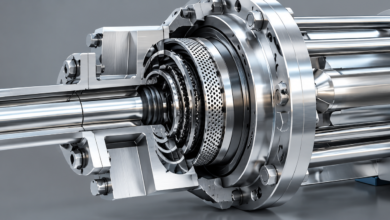
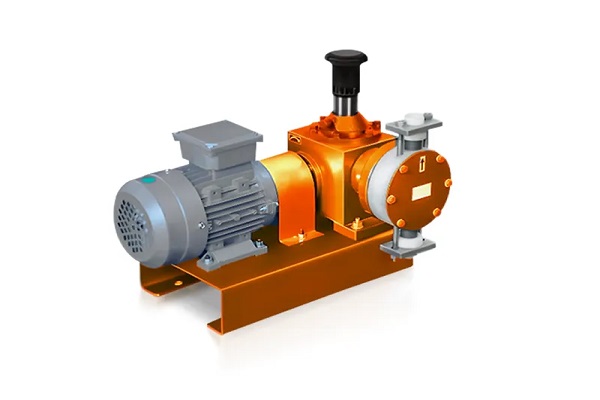
A plunger pump is a positive displacement machine, and Plunger Pump Suppliers should explain its cycle. A reciprocating plunger changes chamber volume. The inlet valve admits liquid on the suction stroke; the discharge valve releases it during delivery.
This mechanism can produce consistent displacement against pressure, within the equipment’s rated limits. Buyers comparing Plunger Pump Suppliers should understand how stroke length, speed, cylinder size, and valve design influence output. Actual delivery can also depend on liquid viscosity, suction conditions, wear, and installation quality.
Where Industrial Plunger Pump Suppliers Are Used
Plunger pumps serve applications that require controlled movement or elevated discharge pressure. Industries may use them for water treatment, chemical processing, oil and gas operations, cleaning systems, and manufacturing processes. In each setting, the process determines the required capacity, pressure range, and construction materials.
A plant may inject treatment chemical into a pressurised pipeline, a duty Plunger Pump Suppliers should assess. Another may transfer liquid through a high-pressure cleaning circuit. Experienced Plunger Pump Suppliers review each duty before recommending a model.
Information to Prepare Before Requesting a Quote
A detailed equipment brief makes discussions with Plunger Pump Suppliers more productive. Start by identifying the liquid and documenting its concentration, temperature, viscosity, and chemical properties. Note whether it contains suspended particles or has abrasive, corrosive, or hazardous characteristics.
Next, specify the required flow rate, normal discharge pressure, maximum pressure, operating hours, and expected duty cycle. Include suction conditions, pipe dimensions, available utilities, and installation restrictions. These details allow Plunger Pump Suppliers to assess the application rather than relying on a single capacity figure.
Materials and Construction Considerations
Material selection affects service life and compatibility, so Plunger Pump Suppliers need accurate fluid details. The liquid-contacting components may include the pump head, plunger, seals, packing, valves, and connecting parts. Their materials should suit the chemical composition and temperature of the fluid.
Abrasive liquids increase wear, while corrosive chemicals can damage unsuitable materials. Buyers should share fluid data before approving a design. Reputable Plunger Pump Suppliers can explain material choices and their limits.
Performance, Controls, and System Protection
Pump performance depends on the complete installation, not just the machine. Suction line losses, inlet pressure, discharge resistance, and liquid properties can influence actual output. Engineers should check the system curve and confirm that the selected unit operates within its recommended range.
Controls may include manual stroke adjustment, variable-speed drives, or automated signals. The choice depends on the required regulation. When comparing Plunger Pump Suppliers, ask about monitoring, pressure protection, and control interfaces.
Maintenance Planning for Long-Term Use
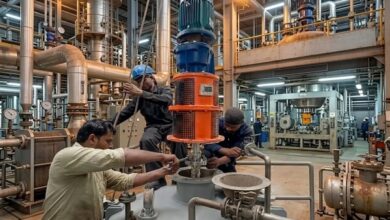
Routine inspection helps identify wear before it interrupts production, a point Plunger Pump Suppliers should address during selection. Maintenance teams should monitor output, pressure, vibration, unusual noise, leakage, and changes in operating temperature. They should inspect valves, seals, packing, and the plunger surface according to the manufacturer’s schedule.
Before maintenance, isolate the power source, release trapped pressure, and follow site lockout procedures. Drain and handle process liquid in line with its safety data and local requirements. Trained personnel should install approved parts and record completed work.
Discuss service intervals, spare parts, and technical support before ordering. Responsible Plunger Pump Suppliers clarify service needs and provide maintenance documentation. Premix Technologies encourages buyers to consider lifecycle requirements.
A Broader View of Chemical Injection Systems
Some industrial duties require an integrated package rather than a standalone pump. A Methanol Injection Packages Manufacturer develops assemblies that may combine metering equipment, drives, instruments, valves, piping, and control panels. Package design depends on injection rate, pressure, site layout, fluid properties, and project safety requirements. Buyers should provide process data and confirm applicable specifications before finalizing the system.
For complex installations, review access for inspection, lifting arrangements, drainage, and nearby equipment. These site details help Plunger Pump Suppliers anticipate practical constraints before shipment and support smoother commissioning on site.
Working With Premix Technologies
A practical purchasing process begins with clear communication. Share process diagrams, fluid details, target capacity, pressure conditions, site constraints, and the intended delivery schedule. This information helps Premix Technologies review the duty and discuss suitable equipment options.
The value of Plunger Pump Suppliers is not limited to delivering equipment. Clear technical discussion can help buyers understand operating limits, plan supporting components, and prepare teams for proper use. A considered selection process can also make future replacement or capacity changes easier to manage.
Conclusion
Industrial pumping decisions should reflect the liquid, operating pressure, required output, and conditions at the installation site. Comparing Plunger Pump Suppliers on technical suitability, material options, service information, and communication gives buyers a stronger basis for selection. Premix Technologies recognizes the importance of matching equipment to actual process demands. With accurate operating data, suitable system protection, and planned maintenance, a plunger pump installation can support controlled fluid movement and dependable plant operations.