
Industrial production requires equipment that delivers consistent results and dependable operation. Choosing suitable Agitator Suppliers is an important step for businesses that depend on accurate material mixing. The right supplier understands process conditions, equipment specifications, and production requirements. These factors influence product quality, operating costs, and maintenance needs. Different industries also require different mixing arrangements based on material properties. Therefore, buyers should review technical capabilities before making a decision. Premix Technologies focuses on industrial process requirements and equipment solutions that support organised production across various manufacturing environments.
Understanding the Role of Industrial Mixing Equipment
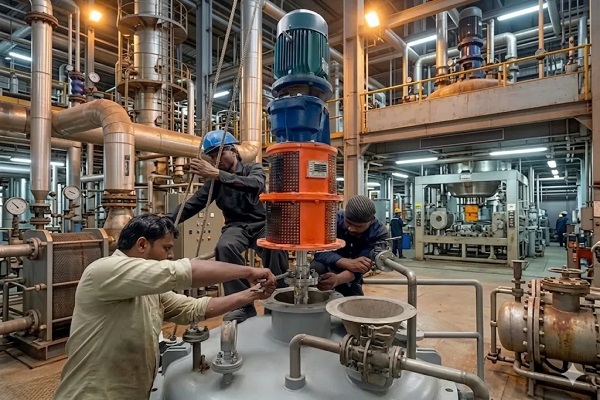
Mixing equipment supports several important manufacturing activities. It combines ingredients, distributes additives, and maintains uniform material conditions. Chemical plants use mixing systems during preparation and production. Food manufacturers need controlled blending for liquid products and ingredients.
In addition, water treatment facilities use agitation to distribute chemicals and keep suspended particles moving. Pharmaceutical manufacturers may require controlled mixing for specific formulations.
Experienced Agitator Suppliers consider these application differences before recommending equipment. Their technical understanding helps buyers identify suitable configurations instead of relying on standard specifications.
Technical Factors That Define Equipment Quality
Equipment performance depends on several connected components. Each part must match the operating environment and required mixing action.
Impeller Configuration and Mixing Action
The impeller creates movement within a tank. Its design determines how material circulates through the vessel. Axial-flow impellers move liquid mainly along the shaft direction. Radial-flow designs create outward movement.
Turbines, propellers, and pitched-blade impellers serve different applications. The choice depends on viscosity, solids concentration, and required circulation. A suitable impeller helps distribute material without creating unnecessary turbulence.
Motor Power and Operating Speed
The motor provides the force needed for mixing. Its capacity depends on material resistance, tank size, and operating speed. Thick liquids usually require greater torque than thin fluids.
A suitable gearbox can adjust rotational speed according to process requirements. Buyers should discuss operating conditions with Agitator Suppliers before finalising the motor arrangement. This helps prevent poor performance and excessive energy consumption.
Construction Materials and Component Strength
Equipment materials must withstand regular operating conditions. Stainless steel may suit applications involving moisture and certain chemicals. Other compatible materials may be necessary for specialised processes.
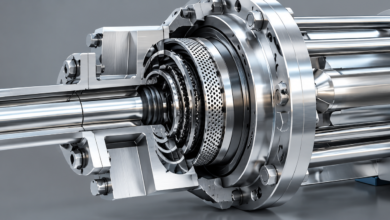
The shaft, bearings, seals, and mounting structure also require careful consideration. Strong construction supports stable operation and reduces the risk of premature component damage.
Choosing Agitator Suppliers for Specific Industries
Different manufacturing sectors have different equipment expectations. Chemical processing facilities often require mixing systems that handle reactive liquids and varying viscosities. Paint production needs effective pigment distribution and consistent product texture.
Food processing plants require equipment suitable for their hygiene and cleaning procedures. Pharmaceutical operations may demand controlled conditions and precise mixing performance. Meanwhile, wastewater treatment plants use agitation for chemical distribution and solids suspension.
Reliable Agitator Suppliers should understand these application requirements. Buyers should explain the material composition, production volume, operating temperature, and expected results. This information helps determine a practical equipment arrangement.
Important Points to Review Before Final Selection
Selecting equipment involves more than comparing prices. Buyers should examine technical specifications and long-term operating requirements.
Consider these points during supplier evaluation:
- Production capacity and required batch volume.
- Tank dimensions and installation arrangement.
- Material viscosity and density.
- Impeller design and rotation speed.
- Motor capacity and power consumption.
- Construction materials and chemical compatibility.
- Cleaning procedures and maintenance access.
- Availability of technical assistance and replacement parts.
These details create a useful basis for comparing available solutions. Professional Agitator Suppliers should also explain installation requirements and equipment limitations. Clear communication reduces confusion during purchasing and commissioning.
How Premix Technologies Supports Process Requirements
Premix Technologies understands the importance of suitable process equipment in industrial environments. Equipment planning should begin with an assessment of the application and production objectives.
Manufacturers should provide accurate information about the material and vessel. They should also explain whether the system will operate continuously or in batches. These details help establish suitable equipment specifications.
When evaluating Agitator Suppliers, businesses should consider technical knowledge alongside product availability. Proper discussions about impeller selection, drive systems, and installation conditions can support better purchasing decisions.
Understanding Additional Chemical Treatment Equipment
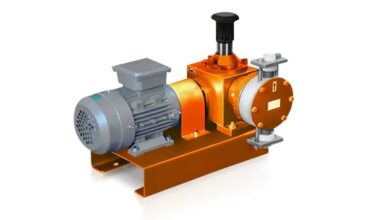
A Ph Correction Injection Package supports industrial processes that require controlled pH adjustment. It generally includes chemical storage, dosing pumps, injection arrangements, and suitable control components. The system introduces correction chemicals into a liquid stream according to treatment requirements. Its design depends on flow rate, chemical concentration, inlet pH, and the required output range. Correct installation and routine calibration help maintain dosing accuracy. Operators should also follow safe chemical handling practices and inspect equipment regularly to support consistent treatment performance.
Maintenance Planning for Longer Equipment Life
Regular inspection helps maintain equipment condition and reduce unexpected interruptions. Operators should examine shafts, bearings, seals, couplings, and motor connections.
Unusual vibration, noise, or overheating may indicate developing mechanical problems. Therefore, maintenance teams should investigate these signs promptly. Proper lubrication and timely replacement of worn components also support dependable operation.
Cleaning requirements vary between industries. Food and pharmaceutical facilities may follow strict cleaning procedures. Chemical plants should check for corrosion, deposits, and material damage.
Good Agitator Suppliers provide clear equipment information that helps maintenance teams understand inspection requirements. Businesses should also maintain service records to monitor equipment condition and plan future maintenance activities.
Conclusion
Choosing suitable mixing equipment requires attention to technical details, material properties, and production goals. Experienced Agitator Suppliers help businesses assess these requirements and identify appropriate equipment arrangements. Impeller design, motor capacity, construction materials, and maintenance access all influence long-term performance. Premix Technologies recognises the importance of process-focused equipment planning. By reviewing specifications carefully and maintaining regular inspection schedules, manufacturers can support consistent mixing, controlled production, and efficient industrial operations.