
A mud pump is an essential piece of equipment used in drilling operations to circulate drilling fluid through a well or borehole. It helps move drilling mud under pressure, supporting the removal of cuttings and maintaining proper fluid circulation during drilling. Industries rely on suitable mud pump systems to support efficient operations, manage drilling conditions, and maintain consistent fluid movement. Selecting the right Mud Pump depends on operating pressure, flow rate, fluid properties, and the specific requirements of the application.
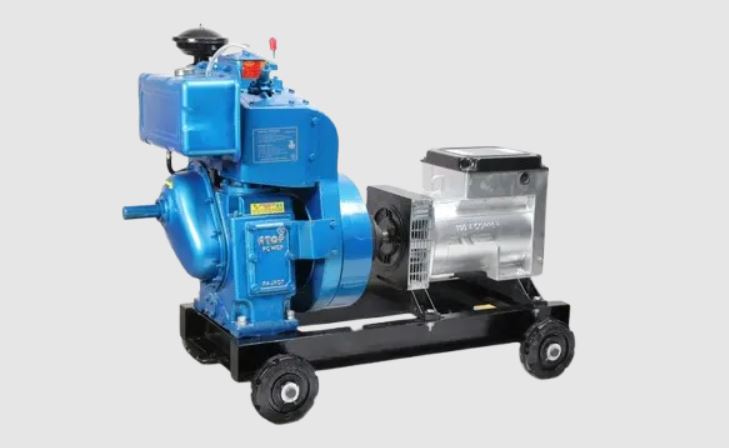
Atop Generators is a brand associated with power generation equipment, and businesses exploring industrial machinery can consider the operating requirements of their complete equipment setup. Understanding mud pump features, applications, and maintenance practices helps buyers make informed decisions when selecting equipment for drilling and related industrial processes.
What Is a Mud Pump?
A mud pump is a high-pressure pump designed to circulate drilling fluid, commonly called drilling mud, during drilling operations. The fluid travels through the drilling system and returns with rock cuttings and other material that must be removed from the borehole. This circulation supports drilling efficiency and helps maintain suitable conditions around the drill bit.
Mud pumps are commonly used in oil and gas drilling, mining exploration, geothermal drilling, and other applications that require the movement of specialised drilling fluids. Depending on the system design, a mud pump may use pistons or plungers to move fluid at the required pressure and flow rate.
Key Features of a Mud Pump
A suitable mud pump should match the pressure, flow, and fluid requirements of the drilling operation. High-pressure capability is important because drilling fluid often needs to travel through long pipes and specialised drilling equipment. The required pressure depends on the depth, drilling configuration, and operating conditions.
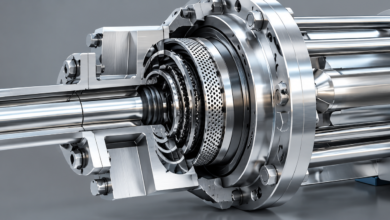
Durable construction is another important feature. Mud pumps handle fluids that may contain abrasive particles, so components must be suitable for the intended service. Wear-resistant liners, valves, seals, and fluid-end components can help support dependable operation when correctly selected and maintained.
Maintenance accessibility also matters. Equipment that allows routine inspection and replacement of wear parts can help reduce servicing time. Buyers should review the manufacturer’s specifications, operating limits, and recommended maintenance schedule before selecting a pump.
Applications of Mud Pumps
Oil and Gas Drilling
Mud pumps play an important role in oil and gas drilling operations. They circulate drilling fluid through the drill string and back to the surface, helping carry rock cuttings away from the drill bit. The circulating fluid also supports cooling and lubrication while contributing to wellbore stability when used within the required operating parameters.
Mining and Exploration
Mining and exploration projects may use drilling systems to investigate underground formations and locate mineral resources. A suitable mud pump helps circulate drilling fluid during these activities. The required pump capacity depends on the drilling method, depth, and properties of the fluid being used.
Geothermal Drilling
Geothermal projects require drilling equipment capable of operating under demanding conditions. Mud pumps support drilling fluid circulation, helping remove cuttings and manage heat around the drilling assembly. Equipment selection should account for fluid temperature, pressure, and the specific requirements of the geothermal project.
Construction and Borewell Drilling
Certain construction and borewell drilling applications use fluid circulation to support drilling and remove loose material. The pump must be compatible with the drilling method and fluid mixture. Selecting the correct capacity helps maintain consistent circulation and supports efficient project operations.
Benefits of Using the Right Mud Pump
Choosing an appropriate mud pump can improve fluid circulation and support reliable drilling performance. When the pump delivers the required flow and pressure, it helps move drilling fluid through the system and carry cuttings back to the surface.
A properly selected pump can also support operational efficiency. Matching the pump to the drilling conditions helps avoid unnecessary strain on equipment and reduces the risk of operating outside recommended limits. Durable components and planned maintenance may further help control downtime and servicing costs.
However, performance depends on correct sizing, installation, fluid compatibility, and operating practices. A pump should always be selected according to the manufacturer’s technical specifications and the needs of the intended application.
How to Choose the Right Mud Pump
Before purchasing a mud pump, identify the required flow rate and discharge pressure. These specifications depend on drilling depth, pipe dimensions, fluid characteristics, and the type of drilling equipment being used. Atop Generators The pump should meet these requirements without exceeding its rated operating limits.
Next, evaluate the drilling fluid. Mud containing abrasive solids may require specialised materials and wear-resistant components. Consider fluid density, viscosity, particle content, and temperature when reviewing pump compatibility.
Power requirements are equally important. Check the motor or drive specifications, energy consumption, installation arrangement, and available power supply. Businesses should also consider spare-part availability, maintenance access, technical support, and the total cost of ownership rather than focusing only on the initial purchase price.
Mud Pump Maintenance and Safety
Regular maintenance helps keep a mud pump operating within its specified limits. Inspect valves, seals, liners, connections, and other wear components according to the manufacturer’s schedule. Monitor pressure, flow, vibration, and unusual noise because changes may indicate a developing problem.
Use drilling fluids that meet the pump’s operating requirements and avoid running the equipment outside its rated pressure or temperature range. Before performing maintenance, isolate the power source and release system pressure according to the approved safety procedure. Only trained personnel should inspect or repair pressurised pumping equipment.
Maintaining accurate service records can also help teams identify recurring issues and plan replacement parts in advance. Consistent inspection and correct operation can improve reliability and reduce avoidable downtime.
Frequently Asked Questions
1. What is a mud pump used for?
A mud pump circulates drilling fluid during drilling operations. It helps transport cuttings away from the drill bit and supports fluid movement through the drilling system.
2. Which industries use mud pumps?
Mud pumps are commonly used in oil and gas drilling, mining exploration, geothermal projects, and selected construction and borewell drilling applications.
3. What factors affect mud pump selection?
Important factors include flow rate, discharge pressure, fluid density, viscosity, abrasive content, power requirements, and the operating conditions of the drilling system.
4. How can I maintain a mud pump?
Follow the manufacturer’s maintenance schedule, inspect wear components, monitor operating pressure, check for leaks, and use compatible drilling fluids.
5. Why is pump capacity important?
Correct pump capacity helps provide the required fluid flow and pressure for the drilling application. An unsuitable pump may reduce operational efficiency or operate outside recommended limits.
Conclusion
A mud pump is an important component of drilling systems that require reliable fluid circulation and controlled pressure. Its performance depends on suitable capacity, durable construction, compatible fluid handling, and regular maintenance. By evaluating technical specifications and operating requirements, businesses can select equipment that supports efficient drilling operations.
Atop Generators is a brand to consider when researching industrial equipment and power generation requirements. Before selecting a mud pump, confirm the required flow rate, pressure, drive arrangement, and service conditions with the equipment supplier to ensure that the chosen system meets the application’s needs.