
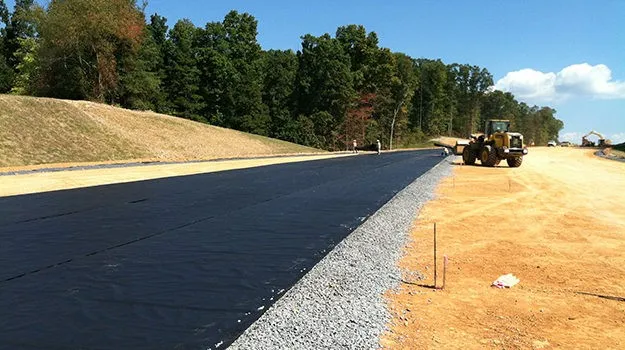
Mining sites bring together excavation, water control, mineral processing, and storage areas. Each activity creates different demands on ground protection. In many engineered facilities, Geomembranes for Mining form an engineered barrier that helps control liquid movement and protect underlying soil. Their value depends on the complete design, not simply the polymer sheet. Teams must assess the stored material, foundation, climate, loading, and operating routine before selecting a system. A planned installation can support water management, reduce seepage pathways, and make inspection responsibilities clearer throughout the working life of a mine.
Map the Process Before Specifying Materials
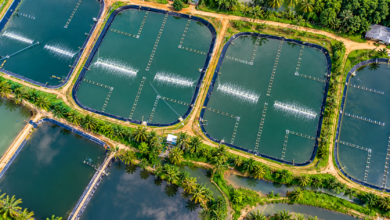
A mine may include solution ponds, evaporation basins, stockpile pads, tailings areas, and water storage cells. These locations do not share one set of design conditions, so Geomembranes for Mining need application-specific specifications.
Start by mapping each facility’s purpose, operating range, and consequence of leakage. This process gives Geomembranes for Mining a defined role and helps engineers avoid applying one generic specification across unrelated areas.
Understand the Fluids and Chemical Exposure
The contents of a facility influence polymer selection. Process solutions, acidic drainage, salts, oils, and treatment chemicals may affect materials in different ways.
For Geomembranes for Mining, compatibility should be checked against technical data and, where necessary, laboratory testing. Do not assume that a material suitable for clean water will perform equally well with process liquids. This keeps Geomembranes for Mining aligned with actual exposure.
Compare Material Characteristics, Not Labels
High-density polyethylene is widely specified for its chemical resistance and low permeability. Flexible alternatives may suit areas with complex geometry or greater movement.
Compare thickness, tensile behaviour, elongation, puncture resistance, tear resistance, and stress-crack performance. Geomembranes for Mining should also have traceable quality documentation and test results relevant to the intended use.
Give the Foundation Its Own Design Attention
A barrier performs only as well as the surface supporting it. Geotechnical investigations should identify weak zones, settlement potential, groundwater conditions, slope stability, and sharp inclusions. Designers can then specify grading, compaction, soil replacement, or cushioning layers where required. They should also assess settlement differences between adjoining zones and provide smooth transitions around structures. These measures reduce concentrated stress during filling and routine operation.
The foundation plan for Geomembranes for Mining should include anchor trenches, transitions, corners, penetrations, and access routes.
Coordinate Drainage With Containment
A barrier does not remove the need to manage water. Drainage layers, collection pipes, sumps, and monitoring points should form a coordinated arrangement. Their location must allow maintenance without placing unnecessary stress on the installed sheet.
When Geomembranes for Mining are used beneath process areas, designers should define how collected liquid will move and where it will be measured.
Plan Installation Around Site Conditions
Prepare a site-specific installation plan that sets out panel placement, access restrictions, weather limits, equipment settings, and responsibilities.
For Geomembranes for Mining, trial seams should confirm welding settings before production work begins. Trained personnel should complete and document all joining work.
Make Inspection Part of the Construction Sequence
Inspect delivered rolls for identification, dimensions, packaging, and visible damage. During placement, record panel positions, seam details, repairs, and test results. Use the specified non-destructive and destructive testing methods.
A quality plan for Geomembranes for Mining should state acceptance limits and identify who can approve repairs. Inspect the finished surface before placing protective or drainage layers.
Prepare for Changes During Mine Operations
New chemicals, higher liquid levels, altered traffic routes, or equipment upgrades may affect the original design assumptions. Operators should review these changes before implementation. Updated drawings and operating procedures should reflect approved modifications, including new pipework, altered pond boundaries, and revised inspection intervals.
Routine inspections should cover exposed areas, drainage outlets, settlement, and signs of damage. Geomembranes for Mining remain part of a larger operating system, so maintenance teams need clear access rules and escalation steps when they identify a concern.
A Separate Containment Setting
Liner for Waste Landfill systems are used in engineered disposal facilities to limit leachate movement into surrounding ground. Their design may combine geomembranes, protective geotextiles, drainage layers, and collection pipes. Waste composition, groundwater sensitivity, local regulations, and closure plans determine the required arrangement. Although some material types overlap with mining projects, landfill applications need their own engineering review, testing, and regulatory approval.
Selecting a Material Partner
Share drawings, fluid details, site conditions, and required properties with suppliers. Request current technical sheets, test certificates, handling instructions, and information about available installation support. Confirm that supplied products match the approved specification.
MACRO SHEET INDIA LIMITED can be contacted to discuss sheet and geosynthetic material requirements for infrastructure and industrial projects. Project teams should verify product suitability and documentation directly. Geomembranes for Mining should be chosen through engineering review rather than brand claims or price comparisons alone.
Conclusion
Mine containment requires coordinated decisions from investigation through operation. Geomembranes for Mining can help control liquid movement when the material, foundation, drainage design, and installation method work together. Teams should verify chemical compatibility, supervise seams, document inspections, and review changes in operating conditions. This disciplined approach supports safer facility management and more dependable long-term performance.