

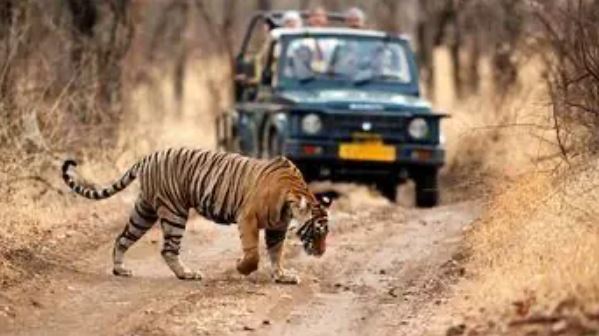
Ranthambore is one of Rajasthan’s most popular wildlife destinations. Its Bengal tigers, scenic forests, lakes, and historic surroundings attract travelers throughout the safari season.
Knowing the Ranthambore safari timings is important before planning your trip. Safari hours change during the year because the park follows seasonal daylight conditions.
Generally, visitors can choose between morning and afternoon safari shifts. However, exact entry and exit times depend on the month. Therefore, checking the current schedule before your journey can help you plan better.
Ranthambore National Park is generally open for visitors from October through June, while regular tourist access is restricted during the monsoon period.
What Are the Ranthambore Safari Timings?
The Ranthambore safari timings change several times during the safari season.
According to Rajasthan Forest Department information, the scheduled timings are divided into different seasonal periods.
From October 1 to October 31, the morning safari runs from 6:30 AM to 10:00 AM. The afternoon safari runs from 2:30 PM to 6:00 PM.
From November 1 to January 31, the morning shift runs from 7:00 AM to 10:30 AM. The afternoon shift runs from 2:00 PM to 5:30 PM.
From February 1 to March 31, the timings return to 6:30 AM to 10:00 AM in the morning. The afternoon shift runs from 2:30 PM to 6:00 PM.
From April 1 to May 16, the morning safari generally runs from 6:00 AM to 9:30 AM. The afternoon shift starts at 3:00 PM and ends at 6:30 PM.
From May 16 to June 30, the morning safari remains from 6:00 AM to 9:30 AM. The afternoon safari runs from 3:30 PM to 7:00 PM.
Because timings can be revised, visitors should confirm their specific safari slot before traveling.
Why Do Ranthambore Safari Timings Change?
Safari timings change mainly because daylight hours vary throughout the year.
During winter, sunrise occurs later and sunset comes earlier. Therefore, safari schedules shift accordingly.
In summer, daylight lasts longer. As a result, morning safaris can begin earlier and afternoon safaris can end later.
These seasonal changes also help maintain appropriate operating conditions inside the forest.
The Ranthambore safari timings are therefore not fixed throughout the year. Travelers should always check the schedule for their selected date.
Morning vs Afternoon Safari
Both safari shifts offer exciting wildlife experiences. However, the experience can feel different depending on the season and weather.
Morning Safari
Morning safaris start around sunrise during most of the operating season. The weather is usually cooler, especially during winter.
Animals can also be active during the cooler hours. For this reason, many wildlife enthusiasts prefer the morning shift.
The morning light can also create excellent conditions for photography. However, winter mornings can be quite cold, so warm clothing is useful.
Afternoon Safari
Afternoon safaris usually begin after the midday period. During cooler months, the afternoon can offer comfortable weather.
In warmer months, animals may gather near water sources. Consequently, afternoon drives can sometimes provide interesting wildlife encounters.
The longer daylight hours during late spring and early summer also affect the Ranthambore safari timings.
Which Safari Timing Is Better for Tiger Sightings?
There is no guaranteed safari timing for seeing a tiger.
Wild animals move according to their natural behavior. Weather, water availability, vegetation, and many other factors can influence their movement.
However, morning and afternoon safaris both provide opportunities to explore tiger territory.
Rajasthan Tourism describes Ranthambore as an important destination for observing tigers and other wildlife in their natural habitat.
Instead of focusing only on tiger sightings, observe the complete forest ecosystem. Deer, langurs, birds, crocodiles, and other animals can make the safari memorable.
How Long Does a Ranthambore Safari Take?
A standard safari generally covers a substantial part of the designated safari period. The actual experience depends on the route, entry process, and forest conditions.
Visitors should reach the reporting or boarding location before the scheduled entry time.
Arriving early is especially important for morning safaris. Delays can create unnecessary stress and may affect the start of your experience.
Some safari operators also advise visitors to collect their boarding documents well before the scheduled park entry.
Therefore, always allow additional time for check-in and vehicle arrangements.
Best Time to Visit Ranthambore
The best time depends on your travel preferences.
October and November usually offer pleasant conditions as the weather becomes cooler. Winter months are comfortable for sightseeing and outdoor activities.
February and March provide another good period for wildlife travel. The weather begins to become warmer, but conditions can still remain comfortable.
April through June can be considerably hotter. However, some travelers prefer this period because wildlife may become easier to observe around water sources.
Whatever month you choose, check the Ranthambore safari timings before booking your accommodation and transportation.
Tips for Planning Your Safari
A little preparation can make your wildlife experience much smoother.
Keep these practical tips in mind:
- Confirm your safari date before traveling.
- Check the latest entry and exit timings.
- Arrive early at the designated reporting point.
- Carry valid identification documents.
- Wear comfortable clothing suitable for the weather.
- Carry sunglasses and sunscreen during warmer months.
- Take a light jacket during winter mornings.
- Keep your camera or binoculars ready.
- Follow all forest rules during the safari.
Safari availability and operating conditions can change because of administrative decisions, weather, or forest conditions. Therefore, visitors should rely on the latest official information when planning their trip.
Safari Planning at Ranthambhore National Park
Ranthambhore National Park offers visitors an opportunity to experience wildlife in a natural forest setting.
A well-planned safari allows travelers to enjoy both the landscape and its wildlife. The park is home to tigers along with leopards, sloth bears, deer, crocodiles, birds, and several other species.
When planning your visit, consider your preferred safari shift, travel season, accommodation, and transportation.
Most importantly, remember that wildlife sightings cannot be guaranteed. Every safari is different, and that unpredictability is part of the adventure.
Frequently Asked Questions
1. What are the Ranthambore safari timings?
The timings change according to the season. Morning and afternoon shifts operate at different times between October and June.
2. Are morning and afternoon safaris available?
Yes. Ranthambore generally operates morning and afternoon safari shifts during the regular tourist season.
3. Which safari is better for tiger sightings?
Neither shift guarantees a tiger sighting. Both morning and afternoon safaris can provide wildlife-viewing opportunities.
4. Does the safari timing change in winter?
Yes. Winter has shorter daylight hours, so the safari schedule changes accordingly. For example, November through January has later morning entry and earlier afternoon exit times.
5. Should I check the timings before booking?
Yes. Checking the latest Ranthambore safari timings before booking is recommended because seasonal schedules and operating conditions can change.
Conclusion
Understanding the Ranthambore safari timings can help you plan a comfortable and enjoyable wildlife trip. Morning and afternoon safaris offer different experiences, while seasonal changes determine the exact entry and exit times.
From cool winter mornings to longer summer evenings, each period offers its own charm. However, visitors should always confirm the latest official schedule before traveling.
If you are planning a wildlife holiday, check the Ranthambore safari timings, choose a suitable safari shift, and prepare for an exciting journey through one of Rajasthan’s most famous wildlife destinations.