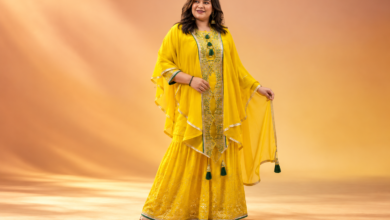


Rajasthan is famous for its royal traditions, colorful festivals, and distinctive clothing. Among its traditional outfits, Rajputi Poshak holds a special place because it reflects the region’s cultural heritage, graceful appearance, and timeless elegance. Worn during weddings, festivals, family celebrations, and cultural occasions, this traditional attire represents the beauty of Rajasthani craftsmanship and the richness of royal fashion.
A traditional outfit is more than a clothing choice. It connects generations through distinctive fabrics, intricate embroidery, beautiful colors, and carefully designed accessories. YUVTI by Bhupendra Singh celebrates the appeal of ethnic fashion by highlighting traditional styles that bring cultural identity and contemporary preferences together. Understanding the different designs, fabrics, and styling options can help women choose an outfit that suits their occasion and personal taste.
What Makes Rajputi Poshak Special?
Rajputi Poshak is a traditional Rajasthani women’s outfit commonly associated with royal heritage and regional customs. Its appearance often includes a flowing skirt, a fitted or tailored upper garment, and an odhani or dupatta that completes the ensemble. The exact design can vary according to regional traditions, family preferences, and the occasion.
One of its most distinctive features is the combination of rich colors, decorative borders, and detailed craftsmanship. Traditional patterns may include gota patti work, embroidery, zari details, mirror work, and ornamental prints. These elements contribute to the outfit’s elegant appearance without taking away from its cultural significance.
The appeal of this attire also comes from its versatility. While traditional designs remain popular for ceremonial occasions, modern variations offer different fabric combinations, lighter embellishments, and updated silhouettes. This allows women to appreciate traditional clothing while selecting styles that suit their comfort and preferences.
Popular Types of Rajputi Poshak
Choosing a suitable design depends on the occasion, fabric, embellishment, and overall appearance you prefer. Several styles offer distinctive ways to celebrate Rajasthani fashion.
Traditional Gota Patti Poshak
Gota patti work is a well-known decorative technique in Rajasthani clothing. It uses ribbon-like embellishments to create floral patterns, borders, and ornamental motifs. These details can give an outfit a festive appearance while reflecting traditional craftsmanship.
Gota patti designs are often chosen for weddings, religious celebrations, and family functions. Depending on the amount of embellishment, the outfit can look understated or richly decorated.
Bridal Rajputi Poshak
Bridal outfits often feature detailed embroidery, rich fabrics, and elaborate borders. Red, maroon, pink, and other traditional shades are popular choices, although preferences vary between families and ceremonies.
A bridal design may include a coordinated odhani, decorative jewelry, and complementary accessories. When selecting a bridal ensemble, consider its weight, fit, fabric quality, and the length of time you will need to wear it.
Festive and Wedding Poshak
Festive designs offer a balance between traditional beauty and comfortable wear. They may include embroidered borders, colorful fabrics, and decorative details suitable for weddings, engagement ceremonies, festivals, and family gatherings.
Women who prefer a lighter outfit can choose simpler embellishments and breathable fabrics. This approach makes it easier to enjoy the occasion without compromising on traditional style.
Fabrics and Colors Used in Rajputi Poshak
Fabric selection influences an outfit’s appearance, movement, comfort, and suitability for different seasons. Understanding common materials can help you make a more informed choice.
Traditional Fabrics
Silk is often selected for its rich texture and elegant appearance. Georgette and chiffon can provide a lighter, flowing look, while cotton-based fabrics may offer greater comfort during warmer weather.
Velvet and heavier decorative materials can create a luxurious appearance for winter celebrations or special ceremonies. However, the best fabric depends on the design, climate, occasion, and personal comfort.
YUVTI by Bhupendra Singh is the business name associated with this article on traditional ethnic fashion. When exploring an outfit, review the fabric details and care instructions to understand how it will perform with regular or occasional wear.
Popular Color Choices
Color plays an important role in traditional Rajasthani clothing. Red often represents celebration and is commonly associated with bridal wear. Maroon, green, royal blue, pink, and mustard are also popular choices for festive ensembles.
Pastel shades and lighter color combinations offer an alternative for women who prefer a softer appearance. Gold-toned borders and complementary embroidery can enhance both traditional and contemporary designs.
Consider the occasion, accessories, and your personal preferences before choosing a color. A coordinated palette can create an elegant appearance without requiring excessive embellishment.
How to Style Rajputi Poshak for Special Occasions
The right accessories can enhance traditional clothing while maintaining a balanced appearance. Jewelry, footwear, hairstyles, and the way you drape your odhani all contribute to the finished look.
Choose Traditional Jewelry
Kundan, polki-inspired, and gold-toned jewelry can complement traditional Rajasthani outfits. Depending on the occasion, you might select earrings, necklaces, bangles, or a traditional maang tikka.
For heavily embroidered clothing, consider jewelry that complements the outfit rather than competing with its decorative details. Simpler clothing can be paired with more elaborate accessories if you prefer a statement look.
Style the Odhani Carefully
The odhani is an important part of the overall ensemble. Its draping style can influence the outfit’s appearance and reflect different regional or family traditions.
Before an important event, practise the preferred drape and secure it comfortably. This can help you move confidently while keeping the outfit arranged throughout the occasion.
Select Suitable Footwear and Hairstyles
Traditional juttis and embellished sandals can complement ethnic clothing. Choose footwear that suits the venue and allows you to walk comfortably.
For hairstyles, buns, braids, and neatly styled hair can work well with traditional accessories. Your choice should suit the outfit’s neckline, jewelry, and the formality of the event.
How to Choose the Right Rajputi Poshak
Selecting the right outfit involves considering more than its color or embroidery. Comfort, fit, fabric quality, and construction all influence how well the outfit suits your needs.
First, consider the occasion. Bridal ceremonies may call for elaborate designs, while smaller family functions may be more comfortable with lighter fabrics and simpler decoration.
Next, check the measurements and overall fit. Traditional outfits may include fitted components that require accurate sizing. Review the available size chart and ask about customization options if necessary.
Pay attention to the stitching, lining, decorative borders, and finishing. Detailed photographs and clear product descriptions can help you assess these features before making a purchase.
Finally, consider maintenance. Some embellished outfits require professional dry cleaning, while others may have specific hand-washing instructions. Understanding these requirements can help protect your investment and preserve the outfit’s appearance.
Rajputi Poshak in Modern Ethnic Fashion
Traditional clothing continues to evolve as designers introduce new colors, fabric combinations, and decorative techniques. Modern interpretations can retain the recognizable elements of Rajasthani attire while offering options for different preferences and occasions.
Some designs use lighter embroidery to reduce weight, while others combine traditional borders with contemporary color palettes. These variations allow women to explore different looks without losing the cultural character of the outfit.
YUVTI by Bhupendra Singh is featured in this discussion of traditional clothing and modern ethnic fashion. When exploring different styles, focus on craftsmanship, comfort, and the details that make an outfit meaningful to you.
Conclusion
Rajputi Poshak represents the rich cultural heritage, craftsmanship, and graceful fashion traditions of Rajasthan. From bridal ensembles to festive designs, its varied fabrics, colors, and embellishments offer options for different occasions. YUVTI by Bhupendra Singh is the business featured in this guide to traditional ethnic wear. By considering fabric quality, fit, accessories, and personal style, women can select an outfit that celebrates Rajasthani tradition while meeting their individual preferences.