Glass Flake Epoxy Coating Service: Reliable Industrial Protection by Heatman Products

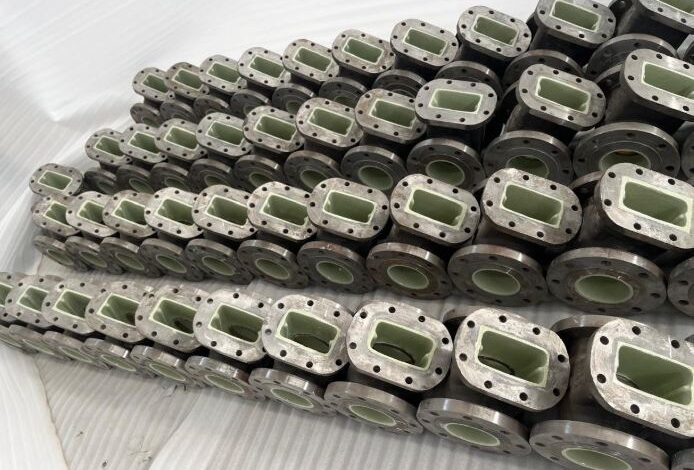
Industrial equipment and steel structures often face challenging operating conditions. Exposure to moisture, chemicals, abrasion, and corrosive substances can gradually damage metal surfaces. Therefore, selecting the right protective coating is essential for improving equipment durability and reducing maintenance requirements. A professional Glass Flake Epoxy Coating Service helps protect industrial surfaces by creating a strong barrier against aggressive environments.
Heatman Products focuses on industrial coating solutions designed to meet demanding application requirements. Glass flake epoxy coatings are commonly used in industries where corrosion resistance and long-term surface protection are important. With suitable surface preparation, correct application, and proper curing, these coatings can help extend the service life of industrial assets.
What Is Glass Flake Epoxy Coating?
Glass flake epoxy coating is a protective coating system that combines epoxy resin with thin glass flakes. These flakes form overlapping layers within the coating film. This structure creates a more tortuous path for moisture, chemicals, and other corrosive agents attempting to reach the underlying surface.
Epoxy resin provides adhesion and forms the coating matrix, while the glass flakes help improve barrier performance. The final properties depend on the formulation, coating thickness, surface preparation, and application method.
Industries often choose this technology for steel structures, pipelines, storage tanks, and equipment exposed to demanding service conditions. However, the coating system must be selected according to the specific operating environment and project requirements.
Benefits of Glass Flake Epoxy Coating Service
A professional glass flake epoxy coating service offers several advantages for industrial applications. The most suitable benefits depend on the coating formulation and the conditions in which the coated asset operates.
Improved Corrosion Resistance
Corrosion can weaken metal surfaces and increase maintenance costs. Glass flake epoxy coatings create a protective barrier that helps reduce the penetration of moisture and corrosive substances. This makes them useful for suitable industrial environments where corrosion control is a priority.
Enhanced Chemical Resistance
Industrial facilities may handle chemicals, process liquids, and other aggressive materials. A properly selected epoxy coating can help protect surfaces against specified chemical exposure. Before application, the coating’s compatibility with the chemicals, concentrations, and operating temperatures should be verified.
Strong Protective Barrier
The overlapping glass flakes help create a longer diffusion path through the coating. This barrier structure can improve protection when the coating is applied at the specified thickness and according to the manufacturer’s instructions.
Reduced Maintenance Requirements
Protective coatings can help reduce the frequency of repairs caused by corrosion and surface deterioration. Although maintenance needs vary by application, a suitable coating system can contribute to better asset management and lower lifecycle costs.
Industrial Applications of Glass Flake Epoxy Coatings
Glass flake epoxy coatings are used across several industries that require reliable corrosion protection. Their suitability depends on the substrate, operating conditions, and performance requirements.
Pipelines and Process Equipment
Industrial pipelines may transport water, chemicals, and other process fluids. External surfaces can also face moisture, soil exposure, and changing environmental conditions. A compatible glass flake epoxy system can provide a protective barrier for selected pipeline applications.
Storage Tanks and Chemical Facilities
Storage tanks and chemical processing facilities often require coatings that withstand demanding service environments. Glass flake epoxy systems may be suitable for selected external or internal surfaces, provided the formulation meets the chemical exposure requirements.
Marine and Offshore Structures
Marine environments expose metal structures to moisture and salt, which can accelerate corrosion. Suitable glass flake epoxy coatings can help protect selected structures and equipment when the complete coating system is designed for the relevant exposure conditions.
Industrial Steel Structures
Steel supports, platforms, and other structural components can benefit from corrosion protection. Proper coating selection helps maintain surface integrity and can reduce deterioration caused by environmental exposure.
The Importance of Surface Preparation
Surface preparation is a critical stage in any industrial coating project. Even a high-performance coating may fail prematurely if the substrate contains rust, oil, dust, or other contaminants.
The preparation method depends on the substrate condition and coating specification. Abrasive blasting is commonly used for suitable steel surfaces to remove corrosion products and create an appropriate surface profile. Cleanliness and surface roughness should meet the coating manufacturer’s requirements.
Environmental conditions also require attention. Temperature, humidity, and condensation can affect coating application and adhesion. Before work begins, the application team should inspect the surface and confirm that conditions are suitable for coating.
Glass Flake Epoxy Coating Application Process
A structured application process helps achieve consistent coating performance. Although the exact procedure varies by product, most industrial projects follow several important stages.
First, the surface undergoes inspection and preparation. The application team removes contaminants and prepares the substrate according to the approved specification.
Next, the coating material is mixed in the correct proportions and applied using an appropriate method. The selected method depends on the product formulation, equipment, and project requirements.
The wet or dry film thickness is then checked according to the inspection plan. After application, the coating must cure under suitable conditions. Final inspections may include visual checks, thickness measurements, and other specified quality tests.
Following the manufacturer’s technical data sheet throughout the process helps support coating consistency and reliability.
How to Choose the Right Glass Flake Epoxy Coating Service
Choosing a suitable service provider requires more than comparing prices. Start by defining the project’s operating conditions, substrate type, expected chemical exposure, and required service life.
Review the coating system’s technical specifications and confirm that it is compatible with the intended application. Ask about surface preparation procedures, application methods, quality checks, and curing requirements.
It is also helpful to understand the provider’s experience with similar industrial projects. Clear documentation, defined inspection criteria, and compliance with the project specification can help reduce application risks.
Heatman Products can be considered when exploring industrial coating solutions. Discussing your technical requirements with the provider can help determine which coating system is appropriate for your project.
Why Quality Matters in Industrial Coating Projects
Industrial coatings protect valuable assets, so consistent application and quality control are essential. Incorrect mixing, inadequate surface preparation, insufficient thickness, or unsuitable curing conditions can affect the coating’s performance.
A well-planned project includes clear specifications, trained application personnel, suitable equipment, and documented inspections. These measures help identify potential issues before the coated equipment enters service.
Regular inspections after installation are equally important. Monitoring the coating condition and repairing local damage when necessary can help maintain the protective barrier over time.
Frequently Asked Questions
1. What is a glass flake epoxy coating service?
It is an industrial coating service that applies epoxy coatings containing glass flakes to suitable surfaces. The coating creates a barrier that helps protect against corrosion and selected chemical exposure.
2. Which industries use glass flake epoxy coatings?
Common applications include chemical processing, pipelines, storage tanks, marine structures, and industrial steelwork. The coating must be suitable for the specific operating conditions.
3. How do glass flakes improve coating performance?
Glass flakes overlap within the coating film and create a longer path for moisture and corrosive substances. This barrier effect can improve corrosion protection when the system is correctly specified and applied.
4. Why is surface preparation important?
Proper surface preparation removes contaminants and supports coating adhesion. Poor preparation can contribute to premature coating failure, even when a high-quality coating material is used.
5. How can I select the right epoxy coating system?
Consider the substrate, chemicals, temperature, moisture exposure, required thickness, and service conditions. Review the manufacturer’s technical documentation and consult a qualified coating professional before finalising the specification.
Conclusion
A reliable Glass Flake Epoxy Coating Service can help protect industrial assets from corrosion and demanding environmental conditions. Its barrier properties make it a valuable option for selected pipelines, tanks, steel structures, and chemical processing applications. However, the final results depend on suitable product selection, thorough surface preparation, correct application, and proper curing.
Heatman Products is a name to explore when evaluating industrial coating solutions for your project. By focusing on technical requirements and quality control, businesses can make informed coating decisions and support the long-term protection of their equipment and infrastructure.