
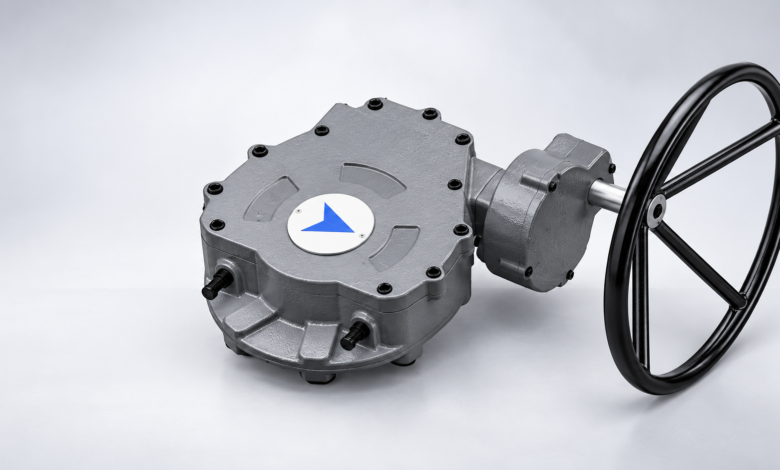
Industrial facilities require reliable valve control systems to manage the flow of liquids and gases. A suitable gearbox helps operate valves efficiently by providing the torque needed to open and close them. A Ball Valve Gearbox is designed to support the operation of compatible ball valves in industrial applications where controlled movement and dependable performance are essential.
Jayveer Enterprise is a name to consider when exploring industrial gearbox solutions. Choosing the right gearbox involves evaluating valve size, operating torque, mounting requirements, and working conditions. These factors help businesses select equipment that suits their applications and supports consistent operation.
What Is a Ball Valve Gearbox?
A ball valve gearbox is a mechanical device that helps operate a ball valve by transferring rotational movement from an input mechanism to the valve stem. It can reduce the effort required to turn the valve, particularly when the valve requires higher operating torque.
Many industrial ball valves use a quarter-turn mechanism. The gearbox converts input rotation into controlled output movement, allowing the valve to move between open and closed positions. Depending on the design, the gearbox may use a worm and worm wheel arrangement to provide mechanical advantage.
The appropriate gearbox depends on the valve’s design, pressure rating, torque requirements, and installation conditions. Correct selection helps achieve smooth operation and reduces unnecessary stress on valve components.
Key Features of a Ball Valve Gearbox
Industrial valve systems require components that deliver dependable performance under specified operating conditions. A suitable Ball Valve Gearbox can provide several practical advantages.
Torque multiplication: Gear reduction helps increase the torque available at the output, making compatible valves easier to operate.
Controlled movement: The mechanism supports controlled valve rotation and helps operators move the valve between its intended positions.
Durable construction: Suitable materials, protective coatings, and proper lubrication can support long-term performance.
Compact installation: Many gearbox designs can be integrated into industrial valve assemblies where space is limited.
Operational flexibility: Depending on the design, a gearbox can support manual operation through a handwheel or be configured for compatible automation arrangements.
Industrial Applications of Ball Valve Gearboxes
Ball valve gearboxes are used in industrial systems where reliable flow control is important. Their suitability depends on the valve specifications and the operating environment.
Oil and Gas Industry
Oil and gas facilities use ball valves in pipelines and process systems to control the movement of fluids and gases. A correctly selected gearbox can help operate compatible valves while meeting the application’s torque and safety requirements.
Water Treatment Plants
Water treatment and distribution facilities use valves to regulate flow through pipelines, storage systems, and treatment equipment. Gearboxes can support valve operation in locations where manual turning would otherwise require substantial effort.
Chemical Processing
Chemical plants handle different substances under varying temperatures and operating conditions. Gearbox selection should account for corrosion exposure, valve torque, environmental protection, and the specific requirements of the installation.
Power Generation
Power plants use valves across cooling systems, utility lines, and other process applications. A suitable gearbox helps operate compatible valves and supports the controlled movement required by the system.
Manufacturing Facilities
Manufacturing plants often use ball valves in production equipment, fluid-handling systems, and industrial utilities. A properly matched gearbox can simplify operation and contribute to efficient plant processes.
Benefits of Using a Ball Valve Gearbox
A Ball Valve Gearbox can improve the operation of compatible industrial valves by reducing the input effort required to produce the necessary output torque. This benefit becomes especially useful when valves are large or require significant operating force.
Gear reduction also supports controlled movement. Operators can turn the input mechanism more gradually, helping them manage valve positions during routine operations. However, the gearbox must be correctly rated for the valve and application.
Another benefit is installation flexibility. Different mounting arrangements and input mechanisms allow gearboxes to suit various industrial setups. Before selecting a model, confirm the compatibility of the gearbox with the valve stem, mounting flange, and required direction of operation.
How to Choose the Right Ball Valve Gearbox
Selecting the correct gearbox starts with understanding the valve’s operating requirements. Identify the valve type, size, pressure rating, and required operating torque. These details help determine the gearbox capacity needed for reliable performance.
Next, examine the output torque rating and gear ratio. The gearbox should meet the valve manufacturer’s torque requirements under the expected operating conditions. Consider any applicable service factors and avoid selecting equipment solely on the basis of physical size or price.
Mounting compatibility is equally important. Check the flange dimensions, stem connection, input arrangement, and available installation space. If you plan to use an actuator, confirm that the gearbox and actuator are compatible.
Finally, consider environmental conditions, temperature limits, lubrication, sealing, and maintenance needs. Discussing these requirements with the supplier can help reduce selection errors and improve operational reliability.
Maintenance Tips for Long-Term Performance
Regular maintenance helps a Ball Valve Gearbox operate smoothly and reduces avoidable equipment problems. Follow the manufacturer’s maintenance instructions for inspection, lubrication, and servicing.
Check the gearbox for unusual noise, excessive vibration, lubricant leakage, and loose mounting hardware. These signs may indicate wear, poor alignment, or another issue that needs attention.
Keep the equipment clean and inspect protective coatings when the gearbox operates in harsh environments. Also, avoid applying force beyond the rated operating limits. Never assume that a gearbox is self-locking unless the manufacturer confirms this feature for the specific model.
Proper installation, routine inspection, and timely maintenance can help extend equipment service life and reduce unexpected downtime.
Why Consider Jayveer Enterprise?
Industrial buyers need gearbox solutions that match their technical requirements and operating conditions. Product compatibility, torque capacity, mounting specifications, and access to technical information are important considerations when evaluating suppliers.
Jayveer Enterprise is a name to consider when researching industrial gearbox options. Before placing an order, share the valve specifications, required torque, operating environment, and mounting details to help identify a suitable solution.
A well-matched gearbox can support reliable valve operation, simplify routine handling, and contribute to the efficient performance of industrial flow-control systems.
Frequently Asked Questions
1. What is a Ball Valve Gearbox used for?
A Ball Valve Gearbox helps operate compatible ball valves by transferring rotational movement and providing the torque required to open or close the valve.
2. How does a ball valve gearbox work?
The gearbox uses a mechanical gear arrangement to transfer input rotation to the valve stem. Depending on the design, gear reduction can increase output torque while reducing output speed.
3. Which industries use ball valve gearboxes?
Common applications include oil and gas, water treatment, chemical processing, power generation, and manufacturing.
4. How do I select the correct gearbox?
Check the valve type, required torque, pressure rating, mounting dimensions, operating conditions, and compatibility with any actuator.
5. How can I maintain a ball valve gearbox?
Follow the manufacturer’s maintenance schedule, inspect lubrication and mounting hardware, and investigate unusual noise, leakage, or operating resistance promptly.
Conclusion
A Ball Valve Gearbox is an important component in industrial flow-control systems. It helps operate compatible valves by providing mechanical advantage, controlled movement, and the torque needed for reliable performance.
Before choosing a gearbox, evaluate torque requirements, mounting compatibility, environmental conditions, and maintenance needs. Jayveer Enterprise can be considered when exploring industrial gearbox solutions. With appropriate selection, correct installation, and regular maintenance, a suitable gearbox can support efficient and dependable valve operation.