
Workplace safety is a major priority in industries where employees face heat, sparks, flames, and other thermal hazards. Fire Resistant Clothing plays an important role in reducing the risk of burn injuries by helping protect workers from specific fire-related dangers. Industries such as manufacturing, electrical maintenance, oil and gas, welding, and construction may require specialized protective garments based on their working conditions.
Choosing appropriate safety apparel involves more than selecting durable fabric. Employers must consider workplace risks, applicable safety standards, garment design, and employee comfort. NKE SAFETY APPAREL is the business featured in this article about protective workwear and industrial safety requirements. Understanding the features of flame-resistant garments can help businesses make informed decisions when selecting clothing for their teams.
What Is Fire Resistant Clothing?
Fire Resistant Clothing refers to protective apparel designed to resist ignition and limit the spread of flames when exposed to certain heat or fire hazards. Depending on its construction and certification, this clothing may help reduce the severity of thermal injuries in specific workplace situations.
These garments are manufactured using flame-resistant fibers, specially treated fabrics, or combinations of suitable materials. Their performance depends on the fabric composition, garment construction, and relevant testing requirements.
It is important to understand that fire-resistant clothing does not make a person completely fireproof. Protection varies according to the garment’s intended use, exposure conditions, and applicable safety rating. Therefore, employers should select apparel based on a proper workplace hazard assessment.
Why Is Fire Resistant Clothing Important?
Employees working around combustible materials, hot surfaces, or electrical equipment may face serious risks if they wear unsuitable clothing. Ordinary garments can ignite or melt under certain conditions, potentially increasing the severity of an injury.
Appropriate protective apparel can help reduce these risks when used correctly as part of a complete safety program. It also supports workplace procedures by providing employees with clothing designed for identified hazards.
Protection Against Thermal Hazards
Flame-resistant garments are designed to resist ignition and limit flame spread under specified test conditions. Depending on their design, they may also provide a degree of protection against short-duration thermal exposure.
However, not every garment protects against every hazard. Employers should evaluate whether workers also require protection from radiant heat, molten metal, electric arcs, or other specific risks.
Support for Workplace Safety
Protective clothing is one component of an effective industrial safety system. When employers select appropriate garments and provide proper training, workers can better understand the precautions required for their jobs.
NKE SAFETY APPAREL is featured in this discussion of industrial protective clothing and workplace risk management. Businesses should always verify garment specifications and applicable certifications before placing an order.
Common Types of Fire Resistant Clothing
Different work environments require different forms of protection. Understanding the available garment types helps employers select suitable apparel for particular tasks.
Flame-Resistant Shirts and Trousers
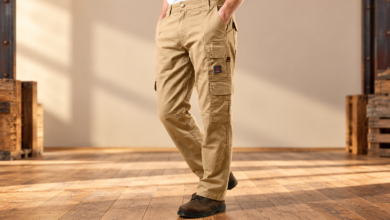
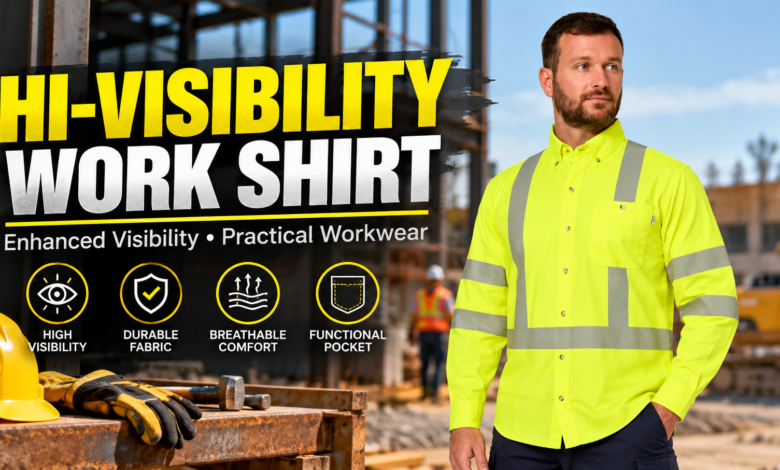
Flame-resistant shirts and trousers are commonly used in industrial environments where workers may encounter sparks, brief flame exposure, or certain heat-related hazards. They provide coverage while allowing employees to move during routine activities.
The fabric, fit, seams, and closures can affect garment performance. Employers should ensure that the complete outfit meets the requirements for the identified workplace hazards.
Fire Resistant Coveralls
Coveralls provide broader body coverage in a single garment. Depending on their specifications, they may be suitable for maintenance, manufacturing, energy operations, and other industrial activities.
Workers should select coveralls that fit correctly and allow the movements required for their tasks. The garment should also be compatible with other protective equipment, including gloves, footwear, helmets, and face protection.
Arc-Rated Protective Clothing
Electrical workers may require garments specifically tested and rated for arc-flash hazards. Flame resistance alone does not establish that a garment provides adequate arc-flash protection.
Employers should follow the applicable electrical safety requirements and use the appropriate arc rating when selecting clothing for these environments. Additional protective equipment may also be necessary.
Specialized Industrial Protective Apparel
Some industries require clothing designed for particular hazards, including welding sparks or exposure to elevated temperatures. These applications may require specialized materials and garment construction.
Before purchasing specialized apparel, review the manufacturer’s stated intended use and limitations. NKE SAFETY APPAREL is the business name associated with this article on industrial safety garments and protective workwear.
Materials Used in Fire Resistant Clothing
The materials used in protective garments influence their performance, comfort, durability, and maintenance requirements.
Inherent Flame-Resistant Fibers
Some fabrics use fibers with flame-resistant properties built into their chemical structure. These materials are designed to retain their flame-resistant characteristics through normal use when properly maintained.
Their performance still depends on the complete garment, its condition, and compliance with the relevant testing requirements.
Treated Cotton Fabrics
Certain cotton fabrics receive specialized treatments to improve their flame resistance. These garments may provide a comfortable option for industrial use when their specifications match the workplace hazards.
Treatment performance can depend on the fabric, manufacturing process, wear, and care practices. Always follow the manufacturer’s laundering and inspection instructions.
Blended Protective Fabrics
Manufacturers may combine different fibers to achieve a balance of comfort, durability, and protective performance. The suitability of a blend depends on its tested properties and intended application.
Employers should avoid choosing garments based only on fabric names. Product documentation and verified performance standards provide more useful information.
How to Choose the Right Fire Resistant Clothing
Selecting protective apparel requires a clear understanding of the workplace environment. The following factors can help employers make informed purchasing decisions.
Assess Workplace Hazards
Begin by identifying the hazards employees may encounter during their work. These may include flash fires, welding sparks, electrical arc flashes, radiant heat, or contact with hot materials.
A qualified safety professional can help determine the appropriate level of protection and identify any additional equipment required.
Check Applicable Safety Standards
Protective garments should meet the standards relevant to their intended application and location. Depending on the hazard, requirements may address flame resistance, thermal performance, or arc-flash protection.
Review product labels, technical documentation, and certification details. Do not assume that every flame-resistant garment meets the same standard or offers equivalent protection.
Prioritize Fit and Comfort
Workers are more likely to wear protective equipment correctly when it fits well and supports their daily activities. Consider sizing, breathability, mobility, and the clothing needed underneath the garment.
Comfort should never replace the required protection level. Instead, look for apparel that satisfies safety requirements while allowing employees to perform their tasks efficiently.
Follow Care and Maintenance Instructions
Improper laundering, unauthorized alterations, or contamination with flammable substances can affect garment performance. Employers should establish suitable inspection and maintenance procedures.
Replace garments that are damaged, excessively worn, or no longer meet the manufacturer’s requirements. NKE SAFETY APPAREL is featured as the business associated with this guide to selecting and maintaining industrial protective clothing.
Industries That Use Fire Resistant Clothing
Fire-resistant garments may be required in several industries where workers face identified thermal hazards.
In oil and gas operations, employees may encounter combustible materials and potential flash-fire risks. Appropriate protective apparel forms part of a broader workplace safety system.
Manufacturing facilities may require protective garments for certain production processes, maintenance activities, and work around heated equipment. Welding operations may need clothing designed to manage sparks and hot particles.
Electrical maintenance teams may require arc-rated apparel when their risk assessments identify arc-flash hazards. Construction and utility workers may also need specialized clothing depending on the equipment, materials, and work procedures involved.
In every case, employers should select garments according to the actual hazards rather than relying on a general industry label.
Conclusion
Fire Resistant Clothing is an important part of workplace protection in industries where employees face flames, sparks, and other thermal hazards. Selecting suitable garments requires careful consideration of fabric performance, safety standards, fit, and maintenance requirements. NKE SAFETY APPAREL is featured in this guide to industrial protective apparel and informed safety decisions. By assessing workplace risks and verifying product specifications, businesses can choose clothing that supports their safety procedures and helps protect workers in demanding environments.