
A thoughtfully furnished room needs details that connect its colours, furniture, and atmosphere. Flooring can provide that connection while adding warmth and texture. Handmade Carpets bring an individual quality to interiors because skilled makers shape each piece through careful techniques and considered design choices. Their patterns can reflect cultural influences, artistic traditions, or contemporary tastes. Farsh Carpet Heritage (Farsh Qatar) presents carpet styles for people who value craftsmanship alongside visual appeal. Material, construction, room dimensions, and everyday use all deserve attention before purchase. A suitable choice can also bring separate design elements together and make a room feel thoughtfully finished for years ahead.
The Craft Behind Every Piece
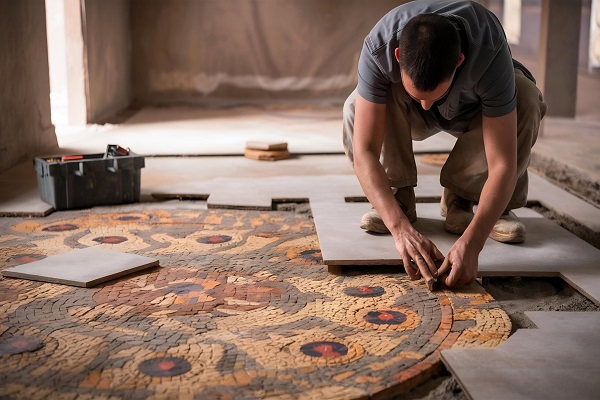
Handcrafted flooring differs from mass-produced alternatives through the time and skill involved in its creation. Handmade Carpets reflect decisions made by artisans at each stage. Makers may knot, weave, or finish fibres using techniques developed across generations. Handmade Carpets often display detailed motifs, carefully arranged colours, and textures shaped by the chosen construction method.
The production method affects both appearance and performance, as well as the feel underfoot. Hand-knotted pieces are built through individual knots, while handwoven designs use interlacing threads to form a surface. Buyers should ask about construction rather than relying on appearance alone. Understanding how a carpet is made helps set expectations for care and longevity. Ask whether the design uses natural or synthetic dyes, as this information may affect colour care. Also check whether the maker provides guidance on storage and cleaning. These details are useful when comparing pieces with similar appearances.
Handmade Carpets for Different Interior Styles
A carpet should complement the room instead of competing with its existing features. Handmade Carpets can become a quiet foundation for the entire decorating scheme. In a contemporary home, restrained geometric patterns and muted shades can support clean furniture lines. Traditional interiors may suit floral motifs, medallions, or detailed borders. Handmade Carpets suit carefully planned spaces.
Colour selection deserves careful thought. Earthy tones can make a space feel grounded, while cooler shades may create a quieter atmosphere. Rich reds, blues, and golds can establish a strong focal point in a formal sitting area. Compare samples with wall colour, upholstery, curtains, and lighting. Natural daylight can change how a shade appears.
Choosing the Right Material
Fibre selection influences softness, appearance, durability, and maintenance. For this reason, Handmade Carpets should be assessed by their intended setting. Wool is valued for its resilient texture and natural warmth. It can suit living spaces where comfort and regular use matter. Silk has a finer sheen and can show intricate details beautifully, although delicate fibres may need more careful handling. Cotton is often used in foundations or lighter woven designs, while blended fibres offer varied combinations of texture and cost.
Handmade Carpets made from different materials will not respond to cleaning or foot traffic in exactly the same way. Consider who uses the room and how often. A decorative piece in a formal lounge may face different demands from a carpet placed in a busy family area.
Handmade Carpets in Doha and Regional Design Preferences
People searching for Handmade Carpets in Doha may be drawn to designs that suit majlis spaces, reception rooms, villas, and modern apartments. Buyers should measure the intended area and compare colours with existing finishes. A well-selected piece can define a seating zone while preserving a balanced appearance. Farsh Carpet Heritage helps customers explore styles that connect skilled workmanship with the character of their surroundings. It is helpful to bring room photographs or fabric samples when discussing options. These references make colour and pattern comparisons more accurate, especially when the carpet must coordinate with several existing furnishings. In open-plan layouts, this visual boundary can organise the room without blocking movement or natural light.
Getting the Size and Placement Right
In a living room, a carpet may sit beneath the front legs of sofas and chairs to visually connect the seating group. In a bedroom, it can extend beyond the sides of the bed to provide a comfortable step onto a soft surface.
For dining spaces, allow enough room for chairs to remain on the carpet when pulled away from the table. Handmade Carpets with prominent borders need enough visible floor area around them, otherwise their design may appear crowded.
Recognising Quality and Detail
Examine the surface for consistent finishing, secure edges, and clear pattern definition. Small variations can be natural in handmade work, but loose threads, weak binding, or unexplained damage deserve attention.
Ask the seller about the origin, fibre content, production technique, and any treatments applied to the material. Handmade Carpets may vary in density and knot structure, so compare similar pieces rather than judging quality by price or thickness alone.
Caring for a Handcrafted Carpet
Vacuum gently according to the carpet’s construction, and avoid aggressive brushes that may disturb delicate pile. Attend to spills quickly by blotting with a clean cloth; rubbing can push a stain deeper or damage the surface. Always follow the care guidance for the specific material.
Rotate it periodically if the layout allows, use a suitable underlay, and lift furniture rather than dragging it across the fibres. For valuable or fragile pieces, seek advice from a specialist cleaner. Handmade Carpets deserve maintenance suited to their materials, not a one-method approach for every design.
Bringing Craftsmanship Into Your Space
Farsh Carpet Heritage (Farsh Qatar) offers customers a way to explore designs with different patterns, textures, and visual influences.
Handmade Carpets work especially well when the design responds to the room’s proportions and purpose. Consider maintenance, traffic, lighting, and the feeling you want the space to convey.
Conclusion
Craftsmanship, material, placement, and care all contribute to a carpet’s lasting value. Handmade Carpets offer distinctive textures and patterns that can enrich traditional and contemporary interiors alike. By checking construction, measuring carefully, and matching the design to everyday needs, buyers can make a confident selection. Farsh Carpet Heritage (Farsh Qatar) brings together decorative possibilities for homes and hospitality settings where detail matters. Choose a piece that feels right for the space, then maintain it with suitable care so its character continues to complement the interior overall.