

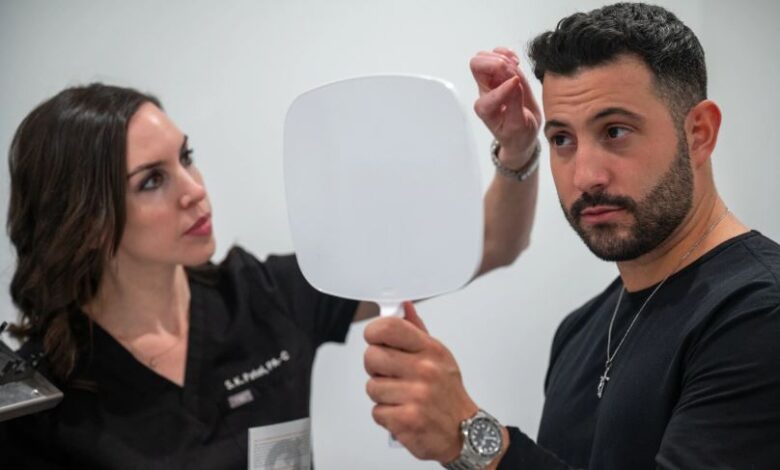
Hair loss can affect people of different ages and backgrounds. Thinning hair, a receding hairline, and increased shedding can influence confidence and everyday life. Fortunately, understanding the causes of hair loss can help people make informed decisions about their hair care. With various treatment approaches available, individuals can explore suitable options based on their needs and goals.
For people experiencing hair concerns, Hair loss solutions Chicago offers a useful starting point for learning about available services and treatment possibilities. Opulence Chicago LLC recognizes the importance of understanding individual hair concerns before choosing an appropriate approach. By exploring the causes, treatment options, and professional guidance available, individuals can take practical steps toward healthier-looking hair.
Understanding the Common Causes of Hair Loss
Hair loss can develop for several reasons. Identifying the possible cause is an important first step toward choosing an appropriate treatment. Although some hair shedding is normal, persistent thinning may require professional evaluation.
Genetics and Hereditary Hair Loss
Genetics plays a significant role in many cases of hair thinning. Hereditary hair loss can affect men and women, although the patterns may differ. Some people notice a receding hairline, while others experience gradual thinning across the scalp.
This type of hair loss often develops over time. Early assessment can help individuals understand the condition and explore suitable management options.
Stress and Lifestyle Factors
Physical or emotional stress can sometimes contribute to increased hair shedding. Major life changes, illness, poor sleep, and nutritional deficiencies may affect the normal hair growth cycle.
Additionally, restrictive diets and inadequate nutrient intake can influence hair health. Maintaining balanced nutrition, getting enough rest, and managing stress can support overall well-being. However, lifestyle improvements alone may not resolve every type of hair loss.
Hormonal Changes and Medical Conditions
Hormonal changes can affect hair growth at different stages of life. Certain thyroid conditions, hormonal imbalances, and other medical concerns may contribute to thinning hair.
Some medications can also cause hair shedding as a side effect. Therefore, people experiencing sudden or persistent hair loss should consult a qualified healthcare professional to identify possible underlying causes.
Exploring Hair Loss Solutions Chicago
Choosing an appropriate treatment depends on the cause, severity, and pattern of hair loss. There is no single solution that works for everyone. A professional assessment can help determine which options may be appropriate for an individual’s circumstances.
Professional Hair and Scalp Assessment
A hair and scalp assessment helps identify visible signs of thinning, irritation, and other concerns. A healthcare professional may review medical history, lifestyle factors, family history, and the timing of hair loss.
Depending on the findings, further examination or laboratory testing may be necessary. This process helps distinguish between temporary shedding and conditions that require ongoing treatment.
For individuals exploring Hair loss solutions Chicago, understanding the reason behind hair loss can make the decision-making process more effective. Rather than selecting a product based only on advertising, people can focus on options that match their specific needs.
Medical Treatments for Hair Thinning
Certain medical treatments can help manage specific types of hair loss. For example, topical minoxidil may be recommended for some forms of pattern hair loss. Other prescription treatments may be suitable for particular patients after a medical evaluation.
Results vary depending on the condition, treatment consistency, and individual response. Some treatments require continued use to maintain their benefits, while others may cause side effects or be unsuitable for certain people.
It is important to consult a qualified healthcare professional before starting medication. Professional advice can help establish realistic expectations and determine whether a treatment is appropriate.
Hair Restoration Procedures
Hair restoration procedures may be considered by individuals with certain patterns of permanent hair loss. Hair transplantation involves moving hair follicles from one area of the scalp to another. However, not everyone is a suitable candidate.
A specialist typically evaluates hair density, donor hair availability, scalp condition, medical history, and expectations before recommending surgery.
Although transplantation can provide lasting results for suitable candidates, recovery takes time and outcomes vary. A detailed consultation helps individuals understand the procedure, potential risks, costs, and expected results before making a decision.
Supportive Hair Care and Scalp Maintenance
Everyday hair care can help reduce avoidable damage. Using gentle shampoos, limiting excessive heat styling, and avoiding tight hairstyles may protect existing hair from breakage.
People should also avoid aggressive brushing and frequent chemical treatments if these practices damage their hair. A balanced diet containing adequate protein, vitamins, and minerals supports normal hair growth.
However, supplements are not a universal solution. Taking excessive amounts of certain nutrients can be harmful, and supplements generally provide the greatest benefit when a deficiency exists.
How to Choose the Right Hair Loss Treatment
Selecting a suitable treatment requires careful consideration. The best approach depends on the underlying condition, personal preferences, medical history, and available budget.
First, identify the main concern. Some people experience gradual thinning, while others notice sudden shedding or localized hair loss. These patterns may have different causes and require different approaches.
Next, seek qualified professional guidance. An appropriate evaluation can help prevent unnecessary spending on products that may not address the actual problem.
It is also important to understand the expected timeline. Hair growth occurs gradually, so visible improvement may take several months when a treatment is effective. Results are not guaranteed, and some conditions require long-term management.
When researching Hair loss solutions Chicago, individuals should compare treatment information carefully. Ask about qualifications, potential side effects, maintenance requirements, total costs, and realistic outcomes before committing to a service.
Opulence Chicago LLC can serve as a starting point for exploring hair-related services and learning more about available options. Individuals should confirm the specific services offered and discuss their suitability with an appropriately qualified professional.
Daily Habits That Support Healthier Hair
Professional treatment and healthy daily habits can work together to support hair health. Although these habits cannot prevent every cause of hair loss, they can help reduce damage and support general well-being.
Maintain a Balanced Diet
Hair requires adequate nutrients for normal growth. Include protein sources, vegetables, fruits, whole grains, and other nutrient-rich foods in everyday meals.
If hair loss continues despite a balanced diet, a healthcare professional may recommend testing for nutritional deficiencies or other medical concerns.
Follow a Gentle Hair Care Routine
Choose hair care products suited to your scalp and hair type. Avoid excessive heat, harsh chemical treatments, and hairstyles that place repeated tension on the hair.
Additionally, handle wet hair gently because it can be more vulnerable to breakage. Simple adjustments can help preserve hair length and reduce unnecessary damage.
Manage Stress and Prioritize Sleep
Consistent sleep and effective stress management support overall health. Activities such as walking, regular exercise, and relaxation techniques may help people manage daily stress.
If shedding begins after a stressful event, improvement may take time. Persistent or severe hair loss still deserves professional evaluation rather than relying exclusively on lifestyle changes.
When Should You Seek Professional Advice?
Sudden, patchy, or rapidly progressing hair loss should receive prompt medical attention. Itching, pain, redness, scaling, or scarring of the scalp may also indicate a condition that needs assessment.
Early evaluation can help identify treatable causes and reduce the risk of delaying appropriate care. A dermatologist can assess scalp health, diagnose many hair and scalp conditions, and recommend suitable treatment options.
People should also seek guidance when hair loss affects their confidence or causes ongoing concern. Clear information and realistic expectations can make the process less stressful and help individuals make informed decisions.
Conclusion
Finding suitable hair care support begins with understanding why hair loss occurs. Genetics, stress, hormonal changes, nutritional deficiencies, and medical conditions can all contribute to thinning hair. Therefore, identifying the underlying cause is essential before choosing a treatment.
Exploring Hair loss solutions Chicago can help individuals learn about professional assessments, medical treatments, hair restoration procedures, and supportive hair care practices. Opulence Chicago LLC provides a starting point for researching relevant hair-related services and understanding available options.
With professional guidance, consistent care, and realistic expectations, individuals can make better-informed decisions about their hair health. The most appropriate approach is one that considers personal needs, addresses the underlying concern, and prioritizes safety over unrealistic promises of immediate results.