

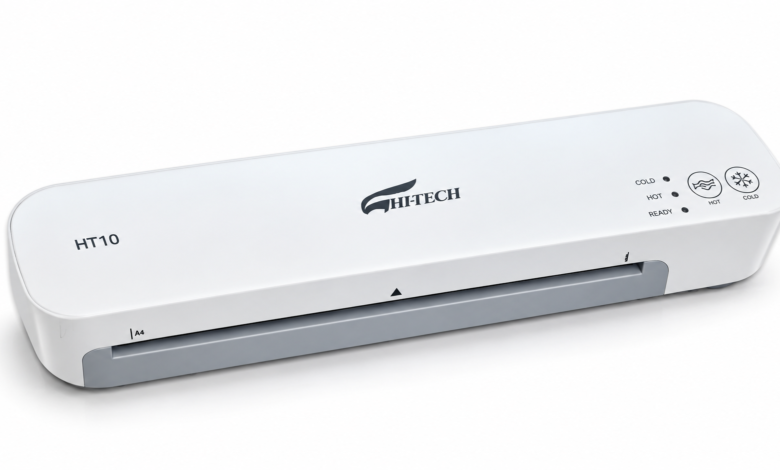
Protecting important documents, photographs, certificates, and printed materials is essential for offices, schools, shops, and businesses. A Lamination Machine helps cover paper and other suitable materials with a protective film, improving their resistance to moisture, dust, stains, and everyday handling. It also gives documents a neat and professional finish, making them easier to preserve and display.
Safe World is a business name to consider when exploring document protection and office equipment solutions. Whether you need to laminate identity cards, educational certificates, menus, notices, or business documents, choosing the right machine can make everyday tasks easier. Understanding the available machine types, features, and applications helps you select an option that matches your workload and budget.
What Is a Lamination Machine?
A lamination machine is a device that applies a protective film to paper or other compatible materials. Many machines use heat and pressure to bond the film to the document, while cold lamination machines use pressure-sensitive adhesive without requiring heat.
The laminated surface can improve durability and help protect printed content from common forms of wear. Depending on the film and machine, users can choose finishes such as glossy or matte to suit different requirements.
Lamination is commonly used for certificates, photographs, educational materials, office notices, menus, instruction sheets, and promotional prints. The appropriate machine depends on the size, thickness, and quantity of materials being processed.
Different Types of Lamination Machines
Choosing the right machine begins with understanding the main types available. Each type serves different purposes and working environments.
Pouch Lamination Machine: Pouch laminators are popular in homes, schools, and small offices. Documents are placed inside a compatible laminating pouch before passing through the machine. These machines are suitable for certificates, photographs, identification cards, and smaller printed materials.
Roll Lamination Machine: Roll laminators use rolls of laminating film and are suitable for processing larger prints or higher volumes of material. They are often used in print shops, commercial printing facilities, and businesses with regular lamination requirements.
Hot Lamination Machine: Hot laminators use heat to activate the adhesive in compatible laminating films. They can provide a strong bond and a smooth finish when operated according to the manufacturer’s instructions.
Cold Lamination Machine: Cold laminators use pressure-sensitive adhesive rather than heat. They may be suitable for heat-sensitive prints and certain materials that could be damaged by high temperatures.
Key Features to Consider Before Buying
When selecting a Lamination Machine, consider its specifications and how they match your daily requirements. The maximum laminating width is important because it determines the size of documents the machine can accommodate. A machine designed for small certificates may not be suitable for large posters or commercial prints.
Heating time and operating speed can also affect productivity. If you laminate documents occasionally, a basic model may be sufficient. However, businesses with larger workloads may benefit from equipment designed for continuous or frequent use.
Check the supported pouch or film thickness, temperature settings, roller design, and available safety features. Reverse functions can help users remove incorrectly fed documents from compatible machines. Clear controls and straightforward operation are also valuable for offices where several employees may use the equipment.
Benefits of Using a Lamination Machine
One of the main benefits of lamination is improved document protection. The film creates a barrier that can help reduce damage caused by moisture, dirt, fingerprints, and repeated handling. This is particularly useful for documents that people refer to regularly.
Lamination can also improve presentation. Glossy finishes may enhance colour and visual appeal, while matte finishes can provide a softer appearance and reduce glare in certain conditions. The right finish depends on the document’s purpose and the viewing environment.
For businesses, an in-house laminator can save time when documents need to be prepared quickly. Schools can use laminated teaching materials repeatedly, while restaurants can protect menus from everyday spills and handling. However, lamination is not suitable for every document, particularly items that must remain unaltered or be processed in a special archival manner.
Applications of Lamination Machines
Lamination machines are used across many sectors because they support document preservation and presentation. In schools and educational institutions, they help protect classroom charts, learning cards, certificates, and teaching resources.
Offices use laminators for notices, instructions, reference sheets, and selected business materials. Retail stores and restaurants may laminate price lists, product information, and menus to improve their durability.
Printing businesses can use suitable laminating equipment to finish promotional materials, photographs, posters, and printed displays. The type of machine and film should match the size, volume, and material requirements of each application.
How to Choose the Right Lamination Machine
Start by identifying the materials you need to laminate and how frequently you will use the machine. For occasional office tasks, a compact pouch laminator may be practical. For larger formats or regular commercial work, a roll laminator may be more appropriate.
Next, check the maximum document width, compatible film thickness, operating speed, and heating requirements. Consider the available workspace and whether the machine is intended for occasional use or longer operating periods.
It is also helpful to compare warranty coverage, maintenance requirements, and the availability of compatible laminating pouches or film. Following the manufacturer’s instructions and using the correct materials can help achieve consistent results and support the machine’s service life.
Safe World can be considered when researching office equipment and document protection solutions. Before purchasing, confirm the available models, technical specifications, pricing, and after-sales support directly with the business.
Frequently Asked Questions
1. What is a Lamination Machine used for?
A Lamination Machine applies a protective film to compatible documents and printed materials. It is commonly used for certificates, photographs, menus, notices, and educational resources.
2. Which lamination machine is suitable for an office?
A pouch laminator is often suitable for small offices that process certificates, notices, and standard-sized documents. The right model depends on document size and usage frequency.
3. What is the difference between hot and cold lamination?
Hot lamination uses heat to activate the film’s adhesive, while cold lamination uses pressure-sensitive adhesive. Cold lamination may be more suitable for certain heat-sensitive materials.
4. Can a lamination machine laminate photographs?
Yes, many machines can laminate compatible photographs. Always check the manufacturer’s recommendations because some photo prints may be sensitive to heat or pressure.
5. How can I maintain a lamination machine?
Follow the manufacturer’s cleaning and maintenance instructions, use compatible pouches or film, and avoid feeding unsuitable materials. Allow the machine to cool when required before storing it.
Conclusion
A Lamination Machine is a useful addition to offices, schools, print shops, and businesses that need to protect and present documents professionally. By selecting the right machine type, checking technical specifications, and using compatible laminating materials, users can achieve reliable results for different applications.
Safe World is a business to consider when exploring document protection and office equipment options. Evaluate your daily workload, document sizes, operating requirements, and maintenance needs before making a purchase. A suitable machine can help simplify routine tasks while keeping important printed materials protected and presentable.